
Anti-allergic drug to become a new weapon against cancer
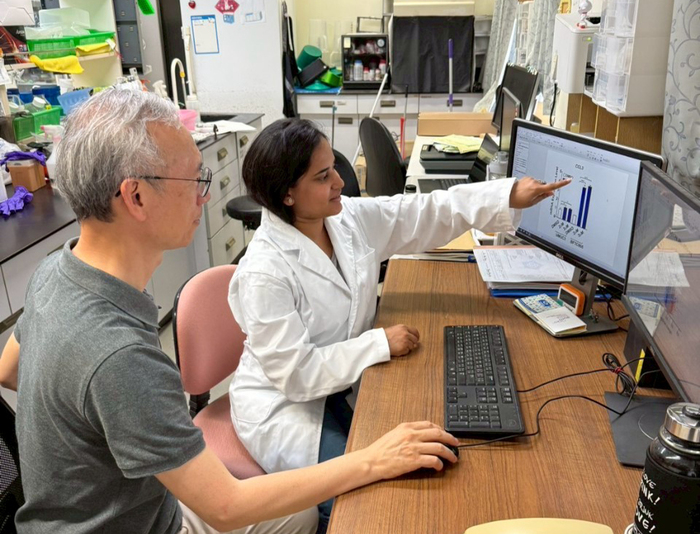
A collaborative research team, comprised of CCU, Academia Sinica, National Cheng Kung University (NCKU), and Chiayi Christian Hospital, has published a breakthrough study in the journal “Molecular Medicine”. After six years of research, the team discovered that the common allergy medication cyproheptadine can significantly enhance the immune system's ability to identify and attack cancer cells. The study, led by Professor Michael Chan (CCU) and Professor Cheng-huang Shen (Chiayi Christian Hospital), builds on their previous discovery of the anti-cancer properties of cyproheptadine. The latest findings reveal that the drug works through epigenetic regulation. By "reprogramming" the cancer cells, it restores immune recognition markers on their surface, effectively "unmasking" the tumor so that Natural Killer (NK) cells can identify and eliminate them. Bladder cancer is the second most common urinary tract cancer and is notorious for evading the immune system. Animal experiments demonstrated that cyproheptadine not only slows tumor growth but also increases the infiltration of NK cells into the tumor microenvironment. This confirms that the drug effectively strengthens the body's overall immune response against the disease. This research marks a shift from traditional chemotherapy toward a new strategy: rewriting the genetic "switches" of cancer cells to awaken the body's natural defenses. As cyproheptadine is an existing drug with a well-established safety profile, it offers a promising and cost-effective new hope for the immunotherapy of bladder cancer and other immune-evasive malignancies.